
A Database Administrator, or DBA, is a key player in managing data for businesses. They make sure that databases run smoothly, securely, and efficiently. This includes tasks like setting up databases, protecting sensitive information, and making sure data is easy to access.
DBAs also work on improving performance and solving problems when issues arise. They are necessary for testing data organized and reliable, which helps companies make well-informed choices. Understanding the role of a DBA is significant for anyone interested in a career in technology and data management.
Definition of a Database Administrator:
A Database Administrator (DBA) acts like a librarian for data, ensuring they store, organize, and make information easy to find. Imagine a library where staff arrange every book perfectly, helping readers find what they need with no hassle. In the same way, a DBA manages databases, which are structured collections of information. Their major responsibilities include:
- Database Design: They create the layout of databases, ensuring data is organized logically.
- Data Security: Just as a librarian protects rare books, DBAs safeguard sensitive information from unauthorized access.
- Performance Tuning: They optimize database performance to make sure quick data retrieval, similar to rearranging a library for better flow.
- Backup and Recovery: DBAs develop backup plans to recover data in case of loss, much like having copies of significant library documents.
- User Access Control: They manage who can access what data, ensuring only allowed users can view sensitive information.

In a world driven by data, the role of a DBA is critical. They make sure that databases run smoothly, like a well-oiled machine, allowing organizations to make well-informed choices based on reliable data. Have you ever thought about how much we rely on data every day?
Just as a library helps us learn and grow, and DBA helps organizations thrive by testing their data safe and accessible.
Key Responsibilities of a Database Administrator:
As a Database Administrator (DBA), you play a critical role in managing and securing databases, much like a librarian organizes and protects valuable books. Your key responsibilities include:
- Database Installation: You set up and configure databases, making sure they perform well and stay secure.
- Data Security: Protecting sensitive information is critical. You do access control measures to keep unauthorized users away.
- Performance Tuning: Just as a car needs regular maintenance, databases require fine-tuning. You optimize queries to make sure quick data retrieval.
- Backup and Recovery: You prepare for the unexpected by regularly backing up data, ensuring quick recovery if something goes wrong.
- Monitoring and Maintenance: Using monitoring tools, you monitor database health, fixing issues before they become big problems.

In a world driven by data, your role as a DBA is necessary for maintaining data integrity and supporting business operations. Think of yourself as the guardian of an organization’s information treasure, ensuring it remains accessible, secure, and reliable.
| Responsibility | Description |
|---|---|
| Database Design | Structuring data for optimal organization and retrieval. |
| User Management | Controlling who can access what data and ensuring proper permissions. |
Necessary Skills Required for Database Administrators:
To thrive as a Database Administrator (DBA), you need a mix of technical and soft skills. Imagine being a superhero for data—your abilities keep information safe and easy to find. Here are the skills you should master:
- SQL Proficiency: SQL is the language of databases. You’ll use it every day to manage and query data.
- Database Management Systems (DBMS): Knowing platforms like Oracle, MySQL, and SQL Server is critical.
- Data Security: Protecting sensitive information is critical. You must understand security protocols to prevent breaches.
- Performance Tuning: Just like tuning a car for speed, you’ll optimize databases for quick responses.
- Backup and Recovery: Knowing how to recover data after a crash is like having a safety net for your information.

Soft skills like problem-solving and communication are also necessary. You’ll often work with developers and stakeholders, making clear communication key to your success. As technology changes, continuous learning will keep your skills sharp and relevant.
| Skill | Importance |
|---|---|
| SQL | Necessary for database interaction |
| Data Security | Protects against data breaches |
| Performance Tuning | Ensures fast data retrieval |
Types of Database Management Systems:
Understanding the Database Management Systems (DBMS) is necessary for anyone interested in managing data. Imagine a DBMS as a toolbox, where each tool has a specific job to do. Let’s explore the main types:
- Relational Databases: These use tables to store data, similar to how a spreadsheet organizes information. SQL, or Structured Query Language, is the primary tool for asking questions and managing this data.
- NoSQL databases: Unlike relational databases, NoSQL databases handle unstructured data. Think of them as a flexible filing system, where you can store different data with no need a strict format.
- Cloud Databases: Cloud platforms host these databases, allowing you to access them from anywhere. It’s like having your toolbox floating in the cloud, ready for you whenever you need it.
- Data Warehousing: This type focuses on storing large amounts of historical data for analysis, much like a library filled with past records that help in making well-informed choices.

Each type has unique features that meet different data needs. As you look at database management, think about how these systems can increase performance, make sure data integrity, and improve data security.
Importance of Database Security:
Database security is necessary in today’s digital place. Picture your data as a treasure chest; without a sturdy lock, anyone could snatch away your valuables. So, how can you keep your data safe?
This is where a Database Administrator (DBA) comes into play. They are the guardians of your data, tasked with protecting it from unauthorized access and breaches.
DBAs use different security measures, like encryption and user management, to make sure data integrity. Think of encryption as a secret code that only allowed users can understand. Without it, sensitive information is like an open book, vulnerable to cyber threats. Regular backups function as a safety net, enabling data recovery if you lose or corrupt data.
In a place where data breaches are all too common, the role of a DBA becomes even more critical. They monitor database performance and troubleshoot issues, making sure systems run smoothly. Just as a mechanic keeps a car in peak condition, a DBA actively optimizes and secures databases.
In the end, strong database security not only protects sensitive information but also builds trust in an organization. With the right skills and tools, DBAs can safeguard the digital treasures that power modern businesses.
Database Performance Tuning Techniques:

Database performance tuning is like tuning a musical instrument; it ensures everything plays together smoothly. As a Database Administrator (DBA), you optimize data storage and retrieval for quick and reliable performance.
Why does this matter?
Imagine searching for a book in a messy library; it feels like an endless task! Similarly, slow databases can frustrate users and disrupt business operations.

Here are some key techniques for effective performance tuning:
- Indexing: Just as a book index helps you find information quickly, database indexes speed up data retrieval.
- Query optimization: analyzing and refining SQL queries can cut down execution time, much like simplifying a recipe helps you cook faster.
- Monitoring: Regularly checking database performance is necessary. Think of it as a health check-up for your data systems.
- Storage Optimization: Efficiently managing storage space prevents slowdowns. It’s like organizing your closet so you can find clothes quickly.
By mastering these techniques, you make sure data integrity and security, transforming your databases from functional to exceptional.
Career Paths and Certifications for Database Administrators:
Curious about the career path of a Database Administrator (DBA)?

Imagine a DBA as a digital librarian, making sure that data is organized, secure, and easy to find.
Their job involves managing data integrity, optimizing performance, and putting strong security measures in place. But how do you become one?
Here are some necessary steps and certifications for consideration:
- Education: A degree in computer science or a related field is often needed.
- Certifications: Think about getting certifications like Oracle Certified Professional or Microsoft Certified: Azure Database Administrator Associate to increase your skills.
- Experience: Gaining hands-on experience with SQL, database design, and cloud databases is critical.
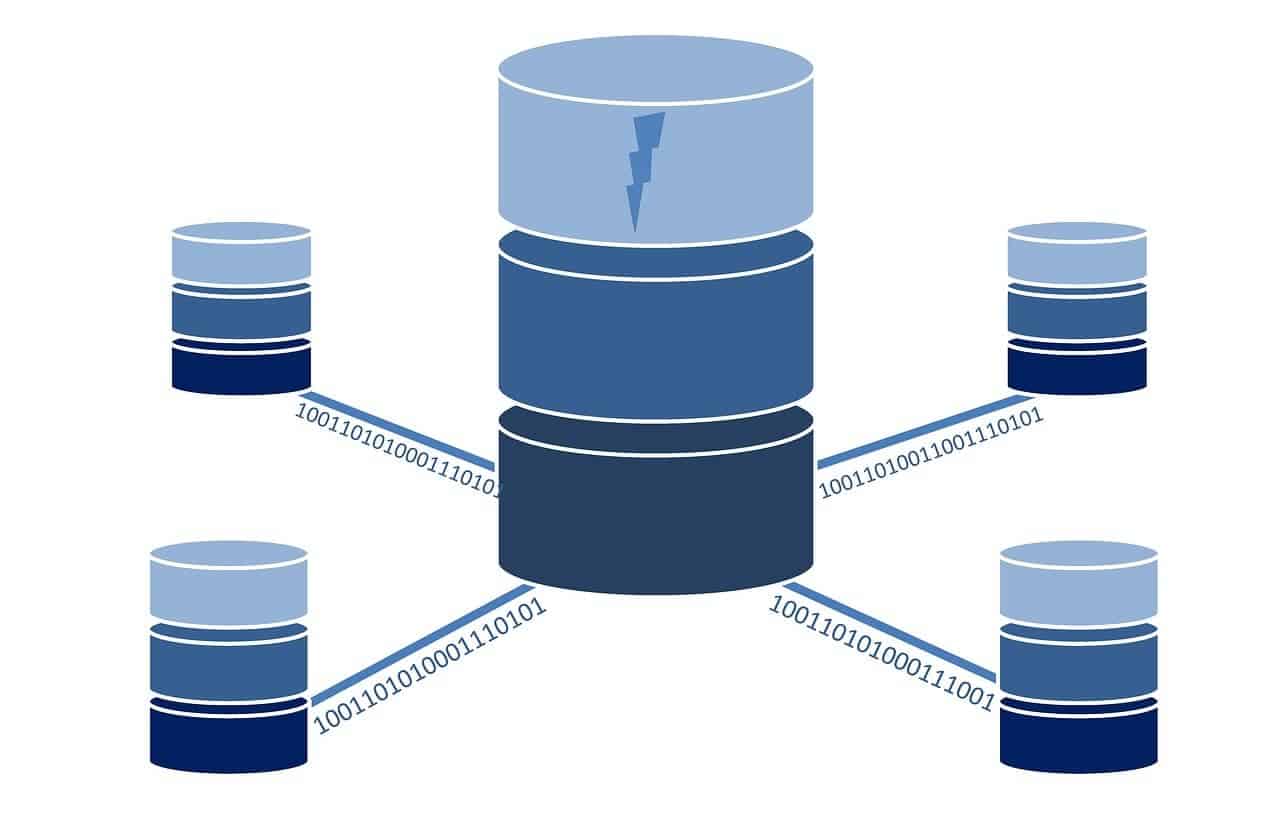
DBAs work with different database management systems (DBMS) such as MySQL and Oracle. They focus on tasks like backup and recovery, data modeling, and performance tuning. The growth in data will remarkably increase the demand for skilled DBAs.
In short, a career as a DBA offers a pathway filled with opportunities, allowing you to shape how organizations use their data effectively.
Common Tools Used by Database Administrators:
Database Administrators (DBAs) use a range of necessary tools to manage and secure large amounts of data. Picture a chef in a kitchen: just as they need knives, pots, and pans to create a meal, DBAs depend on specific tools to keep databases running smoothly.
- SQL Server Management Studio: This is like a Swiss Army knife for DBAs, allowing them to manage SQL Server databases with ease.
- Oracle Enterprise Manager: Think of it as a control center, helping DBAs monitor and optimize Oracle databases effectively.
- pgAdmin: This tool is the go-to for PostgreSQL databases, making management and design straightforward.
- DataDog: A monitoring tool that tracks database performance, much like a fitness tracker keeps tabs on your health.
- Veeam Backup & Replication: This ensures data is backed up and recoverable, similar to having a safety net while performing acrobatics.
These tools help DBAs maintain data integrity, optimize performance, and make sure security. Without them, managing databases would be like finding your way through a maze without a map—confusing and risky!
Challenges Faced by Database Administrators:
Database Administrators (DBAs) face many challenges in their roles, much like a tightrope walker balancing on a thin line. How do they make sure data security while testing everything running smoothly?
This is no simple task. One major challenge is data security. With cyber threats lurking like shadows, DBAs must use strong user access controls and encryption to protect sensitive information.

Another hurdle is performance tuning. Imagine trying to find a book in a messy library; slow queries can create bottlenecks in operations. DBAs optimize database performance through query optimization and indexing, making sure data retrieval is quick and efficient.
Plus, backup and recovery processes are critical. What happens if a server crashes?
DBAs need reliable strategies to restore data quickly and minimize downtime. They also deal with the complexities of database migration to cloud databases, which requires a solid understanding of both relational and NoSQL systems.

In short, DBAs are the guardians of data integrity, managing challenges that range from security threats to performance issues. Their expertise ensures that organizations can count on their databases, just as a ship relies on its anchor in stormy seas.
Ending:
Understanding the role of a Database Administrator (DBA) is critical in today’s data-driven world. DBAs make sure that databases run smoothly, securely, and efficiently. They manage data storage, protect sensitive information, and optimize performance. As technology develops, so do the skills and responsibilities of DBAs.
With the rise of cloud computing, their role is more significant than ever. A career as a DBA offers growth opportunities and stability, making it an attractive choice for those interested in technology and data management.